Platform comparison
| Platform | YES odds | NO odds | Fee | KYC | Settlement | |
|---|---|---|---|---|---|---|
Polymarket Tax UK Pick polygram.ink |
10% | 90% | 0% (USDC on-chain) | No-KYC up to $1,500 | USDC, auto via UMA oracle | Open on Polymarket Tax UK → |
Polymarket polymarket.com |
10% | 90% | 0% | Geo-blocked in US/UK/EU | USDC, on-chain | Open on Polymarket Tax UK → |
Kalshi kalshi.com |
— | — | Up to 7% per trade | US-only, KYC required | USD | Open on Polymarket Tax UK → |
Betfair Exchange betfair.com |
— | — | 2-5% commission | Full KYC from first trade | GBP / EUR | Open on Polymarket Tax UK → |
Manifold Markets manifold.markets |
— | — | Play-money (mana) | None — play-money | Mana (no cash-out) | Open on Polymarket Tax UK → |
Live odds for Polymarket-based markets come from the Polygon order book. Non-Polymarket venues show attributes only; clicking any row opens the market on Polymarket Tax UK.
Active sub-markets
Market context
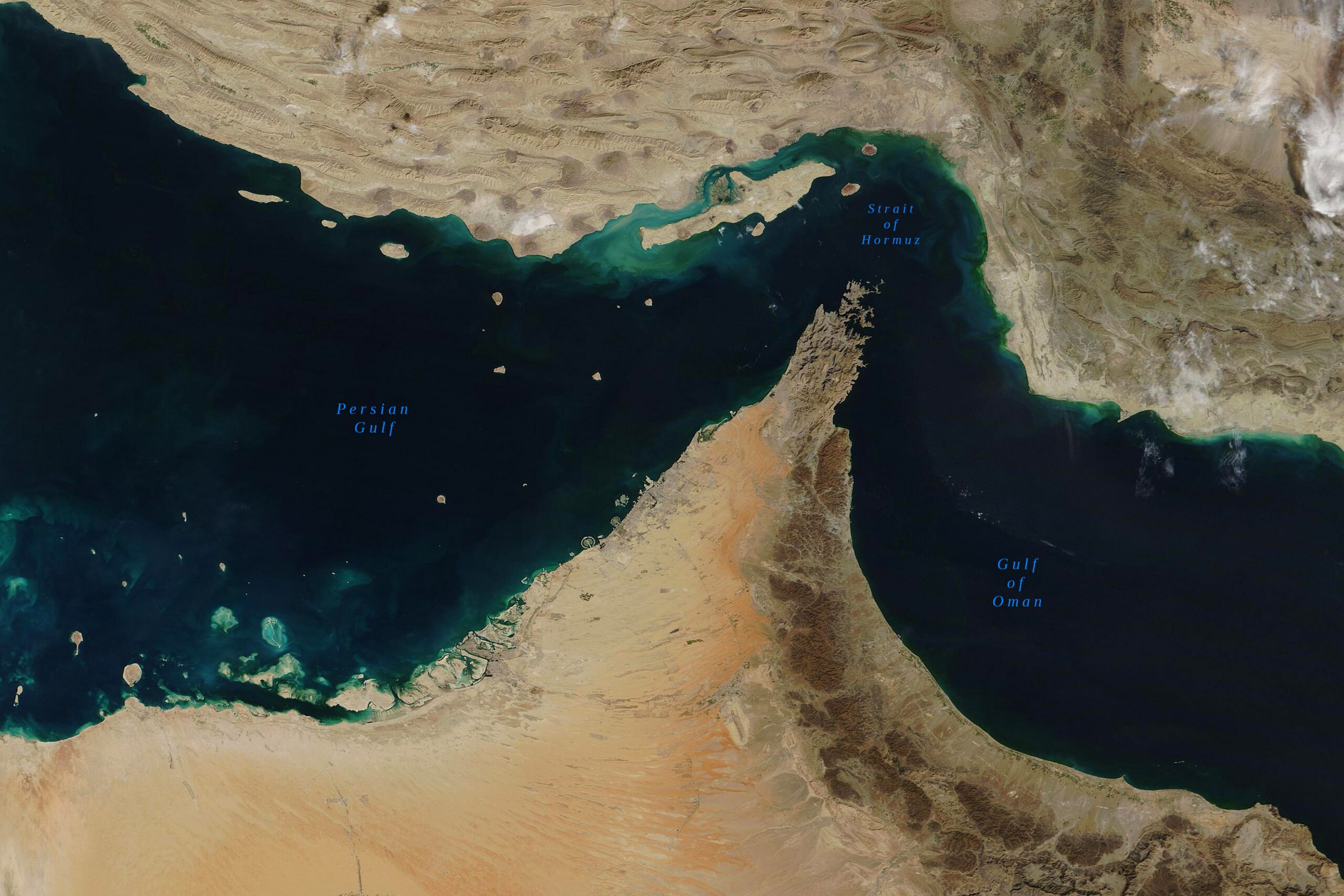
The Strait of Hormuz remains the world's most critical oil transit chokepoint, with roughly one-fifth of global petroleum passing through its narrow waters daily. This market tracks whether daily ship arrivals recorded by IMF Portwatch will reach a specified threshold on any single day between now and 31 May 2026. The threshold itself determines the difficulty: higher numbers require sustained or peak traffic, whilst lower thresholds need only a moderately busy day. The 20% implied probability suggests traders view the target as materially above typical daily transit volumes, making the outcome contingent on either exceptional shipping activity or a significant disruption that forces rerouting through the strait rather than away from it.
Historical transit data reveals considerable daily volatility. Between 2020 and 2024, daily arrivals fluctuated between roughly 30 and 80 vessels depending on seasonal demand, geopolitical tensions, and maintenance schedules at regional ports. The 2022 spike following Russia's invasion of Ukraine saw temporary surges as traders rerouted cargoes away from Black Sea routes. Recent Houthi attacks on shipping in the Red Sea (documented by maritime security firms through 2024) have created competing pressures: some vessels divert southward around Africa, reducing Hormuz traffic, whilst others accelerate transit to avoid extended exposure. The current probability reflects uncertainty over whether the specified threshold sits above historical norms or requires a genuine supply shock.
Traders should monitor announcements from OPEC regarding production schedules, which directly influence tanker demand, and track geopolitical developments in the Gulf region—particularly US-Iran relations and any escalation affecting regional stability. IMF Portwatch publishes daily figures with a lag of 24–48 hours, so resolution depends on data release timing rather than real-time events. The German GlüStV framework and US CFTC jurisdiction apply to this market's regulatory treatment; UK-based traders under £1,500 notional exposure typically face reduced KYC requirements, though platform-specific rules vary.
Methodology
Methodologically we separate two layers: the live probability (Polymarket mid-price) and the platform attributes (fee, KYC, settlement currency, payment rails). The odds column is filled only where we have clean data — that avoids the made-up numbers that get a network demoted when search engines cross-check against the source venue.
Resolution & payout
Polymarket-based markets settle through the UMA Optimistic Oracle on Polygon. A proposer submits the outcome, a two-hour challenge window opens, and unchallenged proposals finalise the resolution. Payouts settle automatically in USDC the moment the result is final — no bookmaker, no delay.
Kalshi-based markets settle in USD via the CFTC-regulated clearinghouse. Betfair Exchange settles in GBP/EUR net of commission. Manifold is play-money and does not pay out real funds.
FAQ
- Where can I trade this market with the lowest fees?
- On Polymarket Tax UK, which mirrors the Polymarket order book at 0% fees. Kalshi charges up to 7% per trade; Betfair Exchange takes 2-5% commission on net winnings.
- Is this market available outside the US?
- Polymarket Tax UK is available in most jurisdictions where Polymarket isn't directly accessible. Polymarket itself is geo-blocked in the US/UK/EU. Always check local regulations.
- How does resolution work?
- Through the UMA Optimistic Oracle on Polygon: a proposer submits the outcome, a two-hour challenge window opens, and USDC payouts settle automatically once the result is final.
- What does it cost to trade on Polymarket Tax UK?
- Zero. Polymarket Tax UK routes every order to the live Polymarket order book; the only cost is the Polygon network fee, typically under $0.01 per transaction.
- Do I need to KYC for this market?
- Not under $1,500 of lifetime trading volume. Above that threshold, Polymarket Tax UK triggers a quick verification flow that finishes in minutes.
%22%2F%3E%3Cpath%20d%3D%22M%206%2066%20A%2026%2026%200%200%201%2058%2066%22%20fill%3D%22%23E6B98D%22%20opacity%3D%220.9%22%2F%3E%3Ccircle%20cx%3D%2232%22%20cy%3D%2226%22%20r%3D%2222%22%20fill%3D%22%23F5CBA7%22%2F%3E%3Cpath%20d%3D%22M%2010%2026%20A%2022%2028%200%200%201%2054%2026%22%20fill%3D%22%237c3aed%22%20opacity%3D%220.9%22%2F%3E%3C%2Fsvg%3E) and
and%22%2F%3E%3Cpath%20d%3D%22M%206%2066%20A%2026%2026%200%200%201%2058%2066%22%20fill%3D%22%23E6B98D%22%20opacity%3D%220.9%22%2F%3E%3Ccircle%20cx%3D%2232%22%20cy%3D%2226%22%20r%3D%2222%22%20fill%3D%22%23F5CBA7%22%2F%3E%3Crect%20x%3D%2214%22%20y%3D%224%22%20width%3D%2236%22%20height%3D%228%22%20rx%3D%224%22%20fill%3D%22%237c3aed%22%2F%3E%3C%2Fsvg%3E)
Trade Will 2026 ships transit the Strait of Hormuz on any … on Polymarket Tax UK
Live order book, 0% fees, USDC settlement in seconds.
Trade on Polymarket Tax UK →